

Where does Taichung's art and culture begin? Chang Lily: For many people, their first encounter with art is not in a museum.
Lily Chang|1% Style by ZHANG SHI-WEN
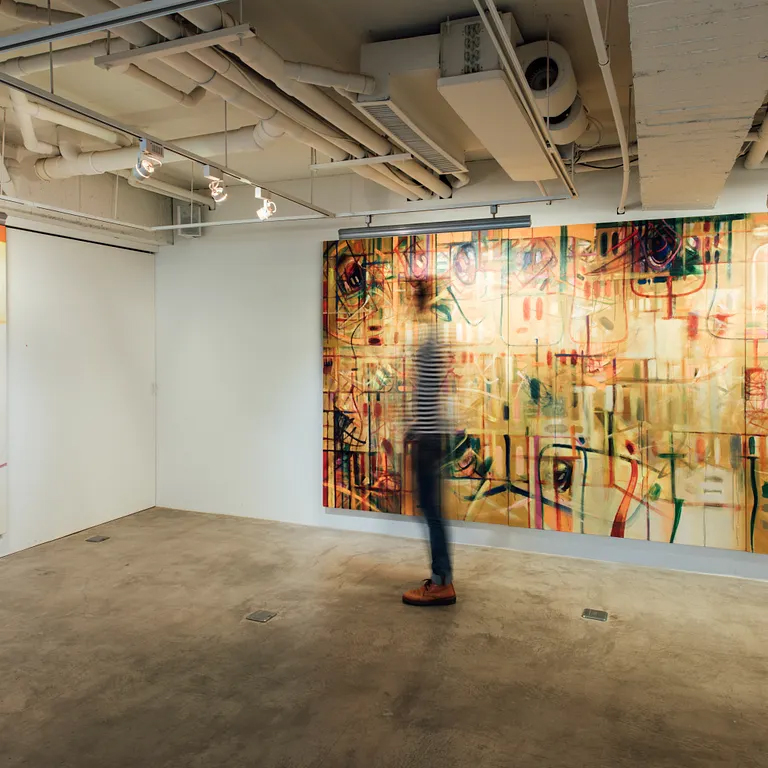
For many Taichung residents, their first encounter with art wasn't in a museum, but rather in community lobbies, public spaces, or street corners they pass daily. This experience has shaped Taichung's unique art culture compared to other cities. Chang Lily, who recently assumed the position of World President of the FIABCI World, reflects on her more than 30 years of promoting art into residential and living spaces. 1% Style invited her to share her perspective on Taichung, from accumulating aesthetic appreciation through daily life to shaping the city's character through culture. From GALERIE PIERRE art center to international urban exchange platforms, her focus remains consistently on the same thing: how to allow people to encounter beauty in their daily lives.
In recent years, with the continued growth of ART TAICHUNG and the upcoming opening of the Green Museum of Art, Taichung's art visibility is increasing. More and more young people are visiting exhibitions, and more are buying artworks for the first time. As the outside world pays renewed attention to the city's art scene, a question gradually emerges: How exactly did Taichung's collecting culture develop? The answer may not lie solely in galleries, art fairs, or auction markets. For many Taichung residents, art experiences come much earlier. It might be a sculpture placed in a community courtyard, an artwork hanging in a hotel lobby, or a public art corner that one passes by daily but always glances at; as art exists in the living environment for a long time, the ways people establish relationships with artworks take on different forms.
Speaking of this journey, Chang Lily is one of the few who has been involved from the very beginning. From founding the GALERIE PIERRE art center in 1990 to the present, she can be considered one of the most important representatives who have witnessed the changes in Taichung's art scene over the past 30 years. This June, she took over as the president of FIABCI World, becoming the first woman from Taiwan to hold this position. This international organization, founded in 1948, has members in more than 60 countries and has long focused on urban development, living environment, and quality of life. It is also one of the most representative international platforms in the global real estate industry.
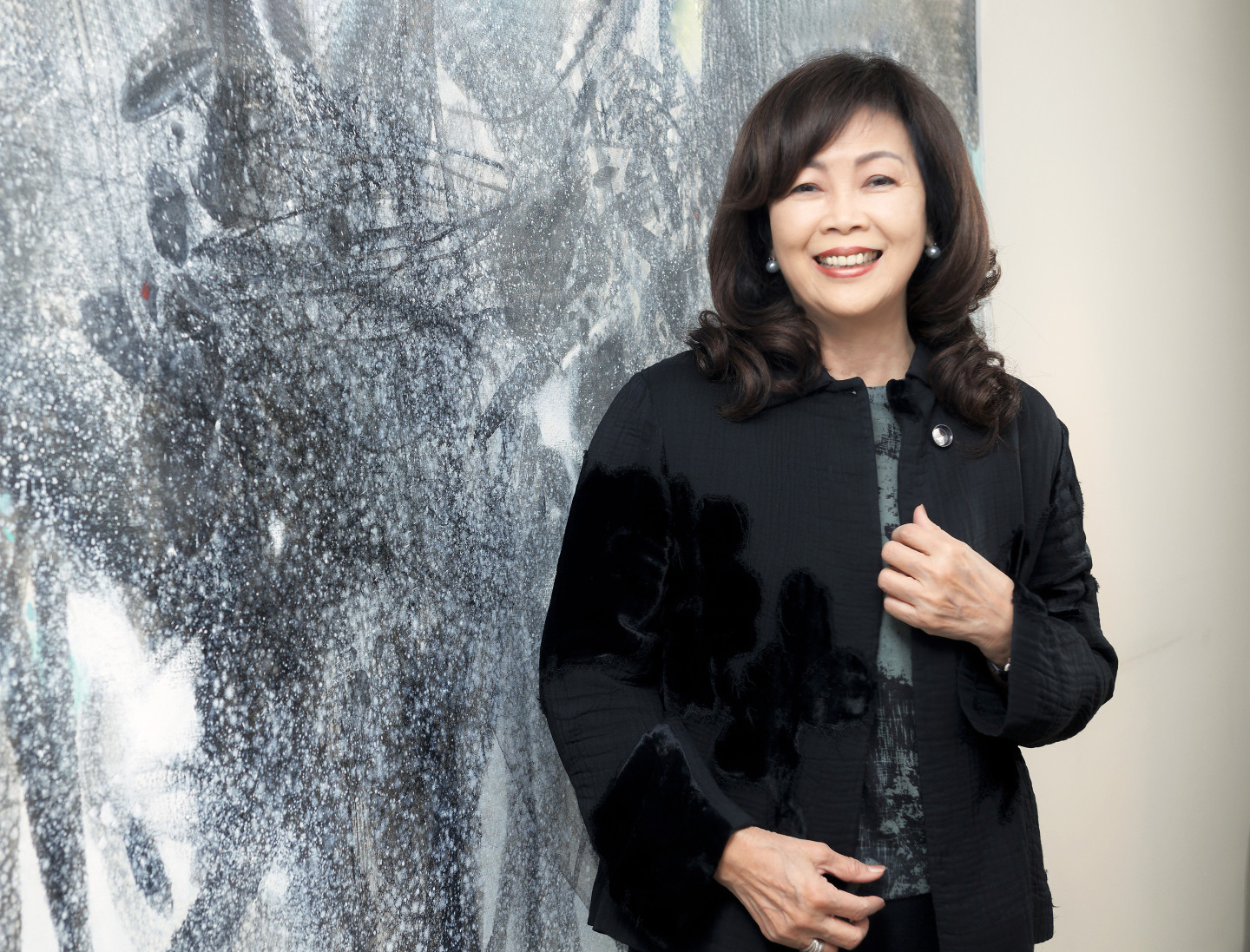
Chang Lily, who took over as World President of FIABCI World this year, has long been a advocate for art to enter residential and public spaces. From the GALERIE PIERRE art center to international urban exchange platforms, she continues to focus on the relationship between culture, life, and urban development. (Photo courtesy of GALERIE PIERRE art center)
From residential communities in Taichung to international urban forums, Chang Lily has consistently focused on the same theme: how culture enters life, and how life shapes a city. When discussing her relationship with art, Chang Lily rewinds to her youth. After marriage, she moved to Boston, USA with her husband, Li Chen-Yu, for about eight years. Li Chen-Yu, who worked for an American shoe company at the time, would always take time during his business trips back to Taiwan to visit Taipei art galleries. Gradually, visiting exhibitions became a shared interest for the couple, allowing art to slowly become part of their daily lives. After returning to Taiwan, the couple founded Longbao Construction, and the following year established the GALERIE PIERRE art center, marking a significant starting point for Chang Lily's journey into art.
"Architecture provides a container for people to live in, while art allows space to begin to generate layers of emotion, memory and culture. This idea was later extended to our thinking when planning many public spaces, incorporating art into them." Indeed, when artists' works enter the halls, courtyards and public areas of residential communities, accompanying the residents' lives, rather than just appearing in exhibition halls, this is a more subtle way of integrating art into life. However, such thinking was not common at the time, but looking back many years later, this move has formed a subtle connection with the development of Taichung's collecting culture.
Many people don’t encounter their first work in a gallery
"Many people's first encounter with art is not in an art museum, but in their home, community, hotel lobby, or the road they pass by every day." Chang Lily's observation is quite interesting in Taichung's art and culture. In many cities, art often exists in specific venues; but in Taichung, art is more likely to appear in the flow of life, playing the role of art entrance in residential communities, public spaces, hotels, and commercial venues for many years.
"Some people fall in love with a space first, some remember a piece of art first, but some only start to wonder who the artist is years later." These seemingly scattered experiences accumulate to form a unique viewing habit. Speaking of this, Chang Lily shared an experience of a children's painting activity organized in the community: she originally thought the children would draw family members, friends, or cartoon characters, but to her surprise, several children drew public art pieces in the community. That moment was unforgettable for her. "Imagine that those works have already been integrated into the children's life memories, and have even become part of their understanding of the surrounding environment. It's very interesting."
The changing culture of collecting is also reflected in the viewing habits of different generations. Early collectors were accustomed to getting to know artists and building long-term relationships through galleries. They would often view a work repeatedly and make a decision only after a long period of consideration. However, Chang Lily has also found that the new generation of collectors entering the market in recent years have more diverse entry points: "Some people get to know artists through social media platforms, some start to come into contact with works in hotels, cafes or selection spaces, and some become interested because of the content shared by the creators." Even the artist's own life experience, creative background and values have become reasons for many people to want to learn more about them.
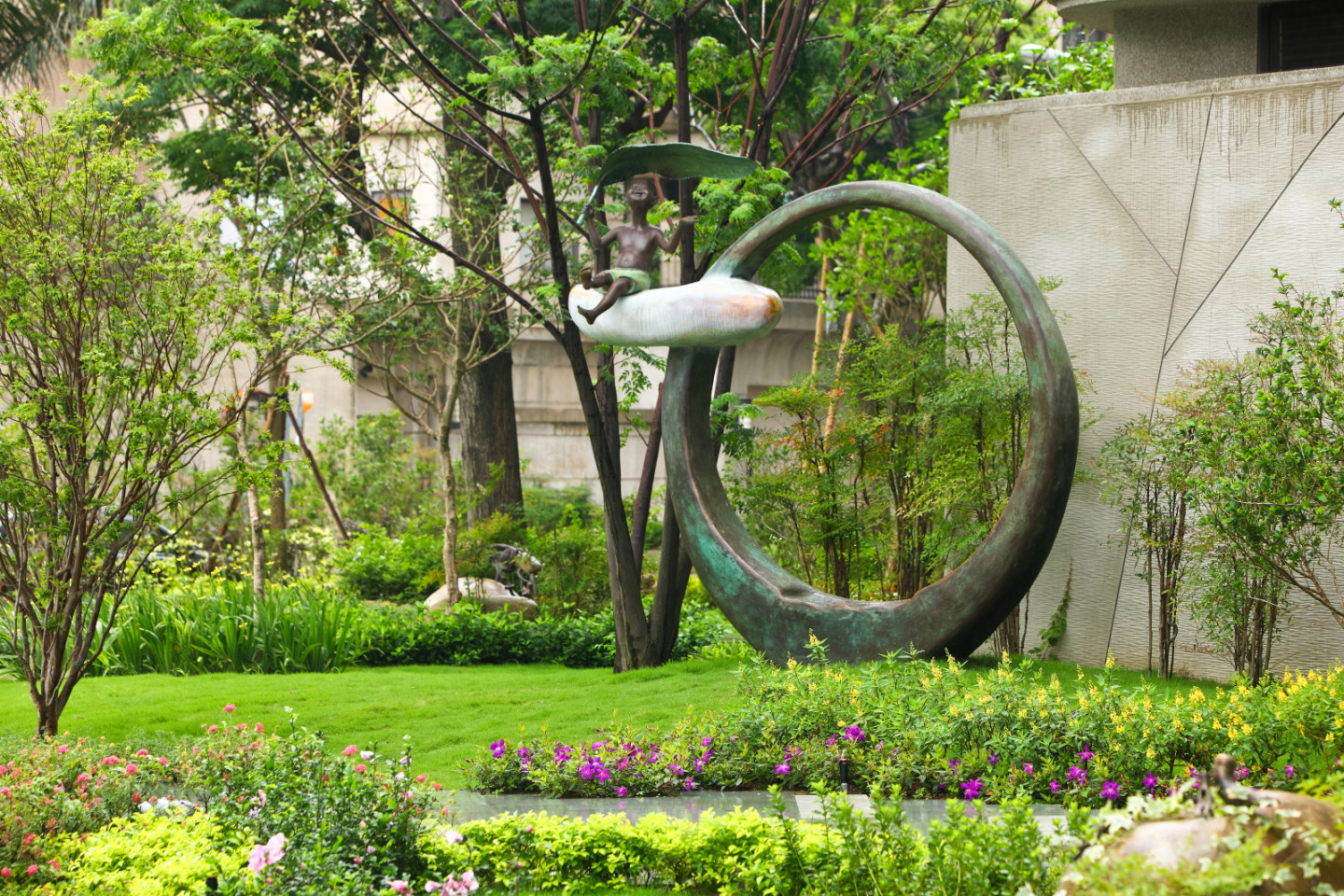
The cultural character of a city often doesn't originate from a single exhibition, but rather gradually forms in daily life. Public art in residential communities also becomes the starting point for many people's encounter with art. The image shows Yu Dengquan's public art piece "Today's Weather is Sunny" at Treasure Dragon Construction's Sunny Happiness Gendii Residence. (Image courtesy of GALERIE PIERRE art center)
"Now, many people don't ask whether a piece of art is suitable for collection, but rather whether it has anything to do with them." Chang Lily's words reflect a change in perspective: a work of art is no longer just a decoration on the wall, nor just a market item. "It may be a memory, an emotion, or a story that resonates with people."
When discussing collecting, Chang Lily mentioned a quote she often shares: "If you enjoy it, you're earning something every day—you're earning spiritual pleasure." She laughed and said that many people always discuss prices, but what truly accompanies a person is often the artwork itself. "When you pass by it every day and see it every day, ten years later when you look at it again, the feeling may be different." Chang Lily believes that this kind of relationship is difficult to calculate with market figures, but this kind of pleasure is incomparably beautiful.
A work is also a life choice
In the past, when choosing artworks, many people first thought about the space: What size is suitable for the living room? Does the color match the interior design? These questions still exist today, but with an added layer of consideration. "People are no longer asking whether this is suitable for my home, but whether this artwork has a 'relationship' with 'me' as a person." The artwork hanging on the wall also reflects a person's interests and choices. Some people pay attention to local culture, while others like a certain artist's way of seeing the world. Every artwork brought home has a different reason, which is one of the changes that Chang Lily has seen most often in recent years: the distance between art and life has not changed, but the relationship between people and artworks has become more personal.
Since assuming the presidency of the World Real Estate Federation this June, Chang Lily has had more opportunities to exchange ideas with urban developers from different countries. This work has allowed her to see the common challenges many cities are facing: changing population structures, sustainable development, quality of life, public space planning, and how culture can be integrated into urban development. "Those cities that people truly want to live in all share the common thread of considering and practicing construction, culture, aesthetics, sustainability, and quality of life together." This statement echoes the direction she has been consistently pursuing for the past thirty years. Indeed, art is not just confined to exhibition spaces; it enters homes, streets, public spaces, and people's daily experiences.
Speaking of Taichung's future, Chang Lily hopes it will be a city where culture and life can coexist naturally: "One day, when people talk about Taichung, the first thing that comes to mind is not just delicious food and livability, but also a city that knows how to live in harmony with beauty." From a piece of art in a residential community to a sculpture in a public space, and then to the urban cultural landscape that is gradually taking shape today, Taichung's collecting culture does not have a clear starting point; it is more like a long accumulation.
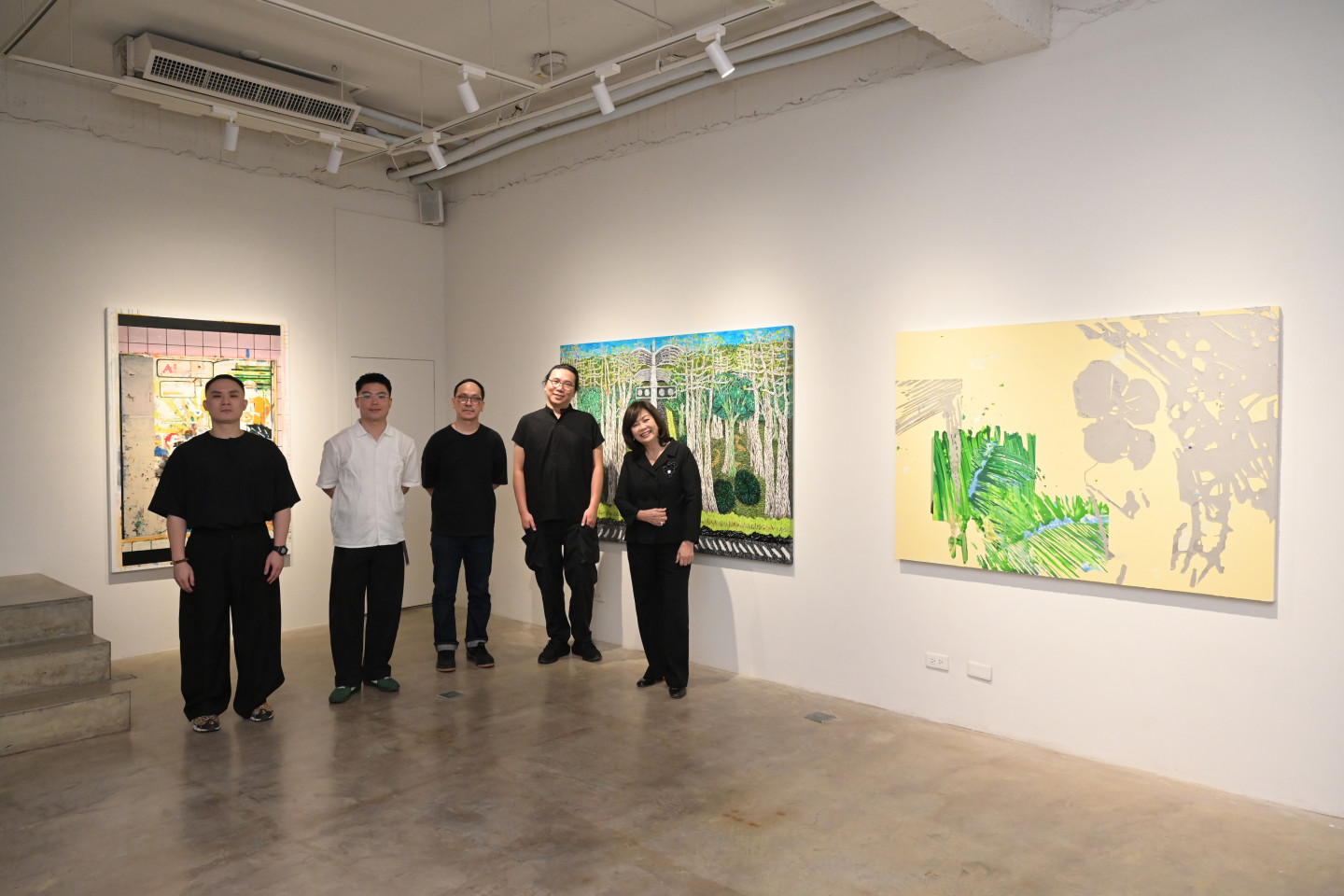
A city's cultural depth rarely stems from a single building or exhibition, but rather accumulates slowly in the daily routine. For Chang Lily, Taichung's charm lies precisely in this ability to coexist with beauty. The photo shows the "Walk and Stop B-SIDE CITY" joint exhibition at the GALERIE PIERRE art center in 2026. (Photo courtesy of GALERIE PIERRE art center)
Some people begin to understand art through works in their community, some become collectors because of an exhibition, and some only realize years later that the works that once accompanied them have long been preserved in their memories. Chang Lily is involved in this process of accumulation. When art exists in life for a long time, the relationship between people and the works will naturally develop; the culture of collecting also slowly takes shape in these everyday moments.
Going back to the beginning, when talking about Taichung's art and culture, people easily think of the gradually expanding scale of art fairs in recent years, the soon-to-open Green Museum of Fine Arts, or the continuously increasing number of young visitors. But if we look at the long term, the city's cultural development actually comes from another path: many people see their first piece of public art in their residential communities, remember the name of an artist in a hotel lobby, or slowly cultivate a sensitivity to beauty in the spaces they pass by every day.
These experiences may not be spectacular or frequently make headlines, but they have long influenced people's relationship with art. From founding the GALERIE PIERRE art center to now standing on the international stage of the World Real Estate Federation, Chang Lily has always focused on the relationship between space, culture, and people. Looking back more than 30 years later, Taichung's art and culture may have gradually taken shape through such daily accumulation.
Art doesn't just stay at the exhibition; it enters life. As more and more people become accustomed to encountering artworks in their daily lives, collecting, appreciating, and participating in culture naturally follow. This is perhaps what makes Taichung so unique. People may not come to this city because of art, but they may encounter art at some point in their lives.
《1% Style》Enjoy Best With The Best